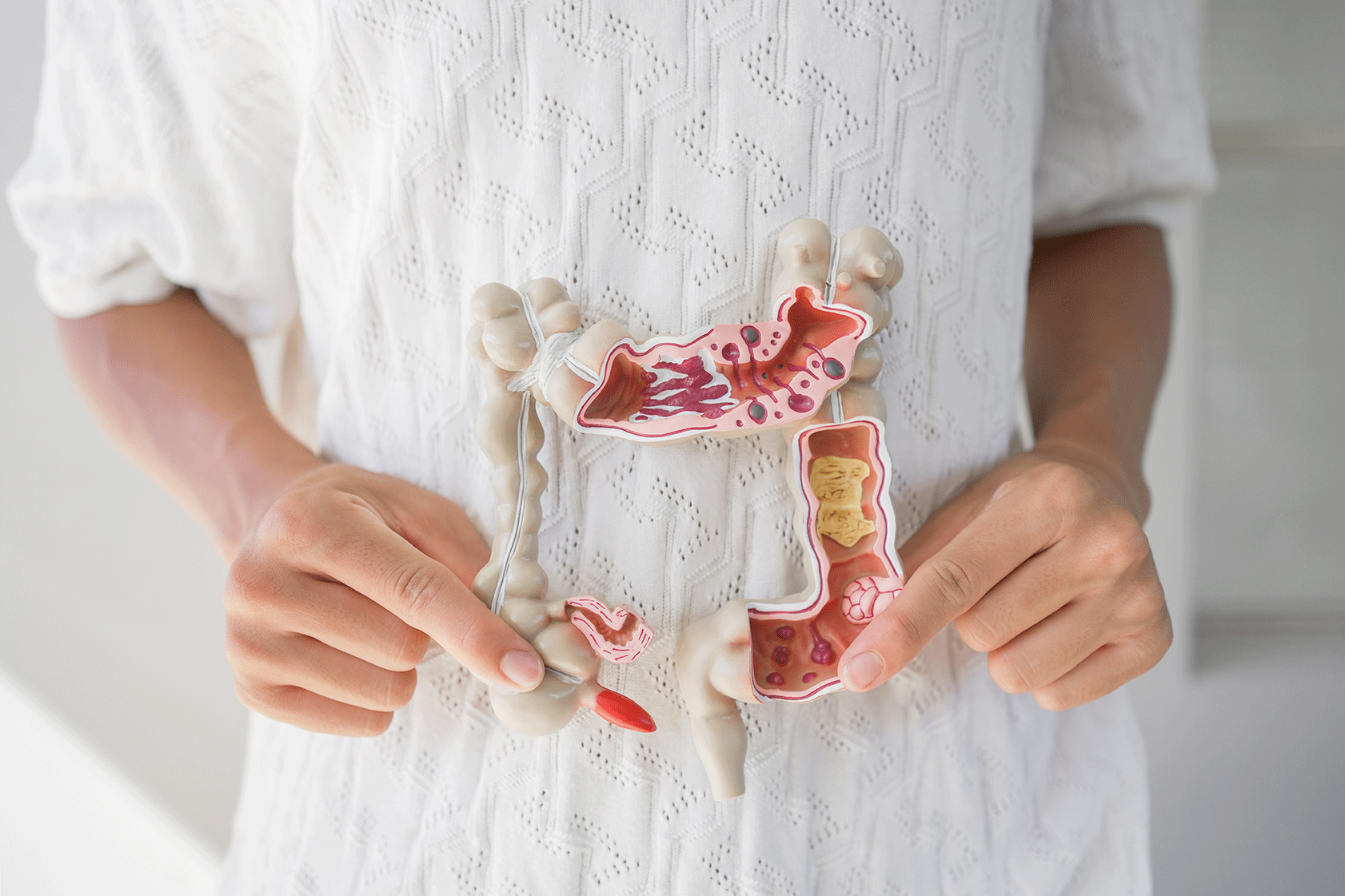

Many conditions affecting the colon can be managed with medication, lifestyle adjustments and regular monitoring. In some cases, however, these approaches may no longer provide relief or the colon may become severely affected. When this happens, surgery may be needed to prevent complications or further health issues. A colectomy is a surgical option used to treat more advanced or serious bowel conditions.
What Is a Colectomy?
A colectomy, also known as colon resection surgery, involves removing all or part of the colon, which
is the large intestine. The aim is to relieve symptoms, remove diseased or cancerous tissue and reduce
the risk of further health issues.
Depending on your condition, the surgeon may reconnect the remaining healthy sections of the bowel,
known as an anastomosis. In some cases, an opening in the abdomen, called a stoma, may be created to
allow waste to pass out of the body.
What Are the Types of Colectomy?
The specific type of colectomy performed depends on the nature of the disease and the specific area of the colon affected. Your surgeon will recommend one of the following approaches:
Total Colectomy
A total colectomy involves removing the entire colon. The small intestine is then connected to the rectum to allow waste to pass through the digestive system. This approach is usually considered when the whole colon is affected, such as in certain inflammatory or inherited conditions.
Partial Colectomy
Also referred to as a subtotal colectomy, this procedure removes only the affected section of the colon. The remaining healthy portions are then reconnected to restore continuity of the digestive tract.
Hemicolectomy
A hemicolectomy involves removing either the right or left side of the colon. A right hemicolectomy removes the ascending colon, while a left hemicolectomy involves the descending colon.
Proctocolectomy
This procedure involves removing both the colon and the rectum. Depending on your condition, the surgeon may create an internal pouch from the small intestine that is connected to the anus, or form a permanent ileostomy.

Who Should Consider a Colectomy?
Surgery is usually not the first option unless there is an urgent situation, such as a bowel obstruction or
perforation. However, if you experience persistent or severe symptoms, it may be appropriate to seek a
specialist’s assessment.
These symptoms may include:
- Severe abdominal pain or cramping
- Bloating and gas that does not improve
- Unexplained weight loss
- Blood in the stool
- Persistent changes in bowel habits, such as diarrhoea or constipation
Why Is Colectomy Done?
A colectomy may be performed to treat or prevent conditions that affect the structure or function of the colon.
Severe Uncontrolled Bleeding
If bleeding from the colon cannot be controlled through less invasive methods, surgery may be required to remove the affected section and prevent further blood loss.
Bowel Obstruction
A blockage in the colon can stop the passage of waste and gas. This can become serious and may require surgical removal of the affected segment.
Colon Cancer
Surgery is the primary treatment for colon cancer. Removing the cancerous section and a margin of healthy tissue helps prevent the spread of the disease.
Crohn's Disease
While medication surgery may be considered if complications such as severe inflammation, narrowing of the bowel, or fistulas develop.
Ulcerative Colitis
In cases where symptoms remain severe despite medical treatment, a colectomy may be performed to manage the condition and reduce associated risks.
Diverticulitis
When small pouches in the colon become repeatedly inflamed or infected, or if complications such as rupture occur, surgery may be needed to remove the affected area.
Preventive Surgery
For individuals with inherited conditions that significantly increase the risk of colon cancer, such as familial adenomatous polyposis, a colectomy may be considered as a preventive measure.
What to Expect During the Surgery?
DuA colectomy is performed under general anaesthesia, so you will be asleep throughout the procedure. The
surgeon removes the affected portion of the colon using either an open approach or minimally invasive
techniques such as laparoscopy.
Once the diseased section, along with any necessary lymph nodes, has been removed, the remaining sections of
the bowel are usually reconnected. In some situations, a temporary or permanent stoma may be required.
The duration of the procedure varies depending on the type of surgery and its complexity, and it may take
several hours to complete.
What Are the Risks and Complications?
As with any major surgery, a colectomy carries certain risks. Your surgeon will discuss these with you in
detail, taking into account your overall health and medical history.
Possible complications include:
- Infection at the incision site or internally
- Bleeding during or after surgery
- Blood clots in the legs or lungs
- Injury to nearby organs, such as the bladder or small intestine
- Leakage at the site where the bowel is reconnected