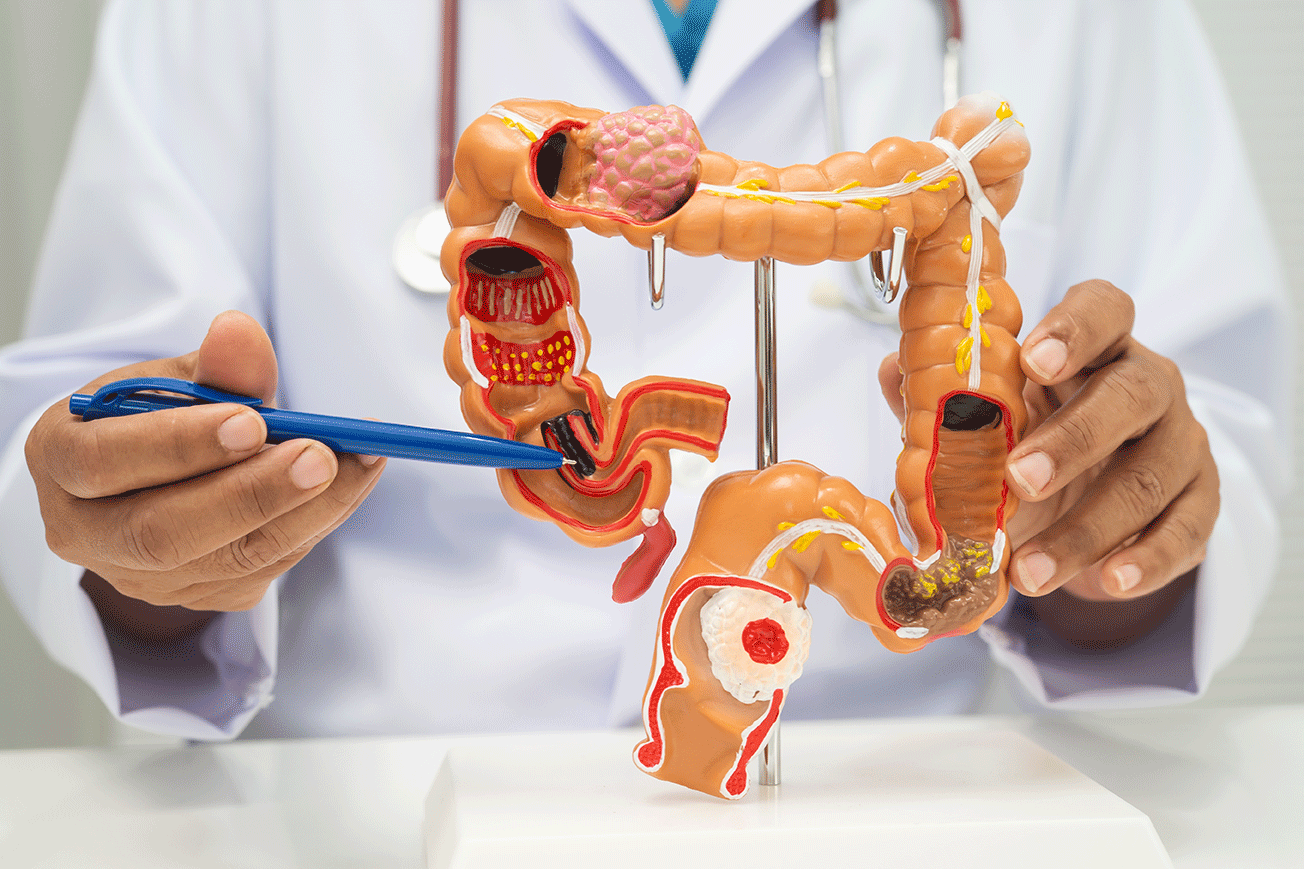

Colorectal cancer screening plays an important role in protecting your long-term health. It allows doctors to
detect precancerous polyps in the colon or rectum before they develop into cancer. Screening can also identify
cancer at an early stage, often before any symptoms appear, when treatment outcomes are generally more
favourable.
Among the available options, colonoscopy is widely regarded as the most reliable method. However, other
screening techniques may also be suitable depending on your needs and medical history.
What Are the Different Types of Colorectal Cancer Screening?
There are three main ways to examine the colon: colonoscopy, barium enema and computed tomography (CT) colonography, also known as virtual colonoscopy. All three methods require bowel preparation beforehand so that the doctor can clearly assess the full length of the colon.
1. Colonoscopy
Colonoscopy is a commonly used method for colorectal cancer screening. During the procedure, a thin
and flexible tube fitted with a light and camera is gently inserted through the anus and guided along
the colon. This allows your doctor to view the lining of the colon in real time.
If any abnormal growths are identified, they can be removed during the same procedure or sampled for
further analysis. This helps provide a clear diagnosis without requiring a separate test.
Colonoscopy is usually performed under sedation, so you are unlikely to feel discomfort during the
procedure. Afterwards, you may experience mild bloating or cramping, which typically settles within a
short period. Although complications such as a tear in the colon wall can occur, they are uncommon,
particularly when performed by a trained colorectal cancer specialist.
2. Barium Enema
A barium enema is an imaging test that uses contrast material to outline the colon. A tube is inserted
into the rectum to introduce a white liquid known as barium. You will be gently repositioned to help
the liquid coat the entire colon before it is drained.
Air is then introduced to expand the colon, improving visibility. X-ray images are taken from
different angles to detect any irregularities. While this method can highlight structural changes, it
does not allow for biopsy or immediate removal of polyps.
3. CT Colonography (Virtual Colonoscopy)
CT colonography uses advanced imaging to create a detailed, three-dimensional view of the colon. A small tube is inserted into the rectum to introduce air, which helps expand the colon for clearer imaging. You will lie on a scanning table while the CT scan is performed, usually in both face-up and face-down positions. An injection may be given to enhance image quality. The resulting images are then reconstructed to provide a virtual view of the colon.
What Possible Risks or Complications Can Occur During Colorectal Cancer Screening?
Colorectal cancer screening is generally safe, especially when performed by an experienced specialist.
Still, it is helpful to understand the potential risks so you can make an informed decision.
Some possible complications include:
- Reaction to Sedation – Some individuals may experience side effects from the sedative used during the procedure, such as nausea or grogginess.
- Bleeding – If a polyp is removed or a biopsy is taken during the colonoscopy, minor bleeding may occur at the site. This usually stops on its own or can be managed during the procedure.
- Perforation – In rare cases, a small tear in the wall of the colon or rectum may occur. Although uncommon, this complication may require prompt medical treatment.
- Abdominal Discomfort – Temporary bloating or cramping may occur due to the air introduced during the procedure.
Your doctor will review your medical history and discuss any individual risk factors with you beforehand. This helps ensure that the screening process is carried out as safely as possible.

How to Reduce Your Risk of Developing Colorectal Cancer
Screening is a key step in early detection, but your daily habits also influence your overall risk. Making consistent lifestyle adjustments can support long-term colon health. Here are some practical steps you can take:
Avoid Smoking and Reduce Alcohol Intake
Smoking exposes your body to harmful substances, while excessive alcohol intake may irritate the colon lining. Reducing or avoiding both can help lower your risk.
Maintain a Healthy Weight
Excess body weight is linked to chronic inflammation and hormonal changes that may increase cancer risk. A balanced diet combined with regular activity can support healthy weight management.
Stay Physically Active
Regular exercise promotes healthy digestion and helps regulate inflammation. Aim for at least 150 minutes of moderate activity each week, such as brisk walking or swimming.
Choose Fibre-rich Foods
Fibre supports bowel regularity and gut health. Including fruits, vegetables and whole grains in your meals can help move waste through the colon more efficiently.
Get Regular Screening
Begin screening at the recommended age, usually from 45 onwards for individuals at average risk, and follow your doctor’s advice on frequency. Early detection remains one of the most effective ways to reduce complications.