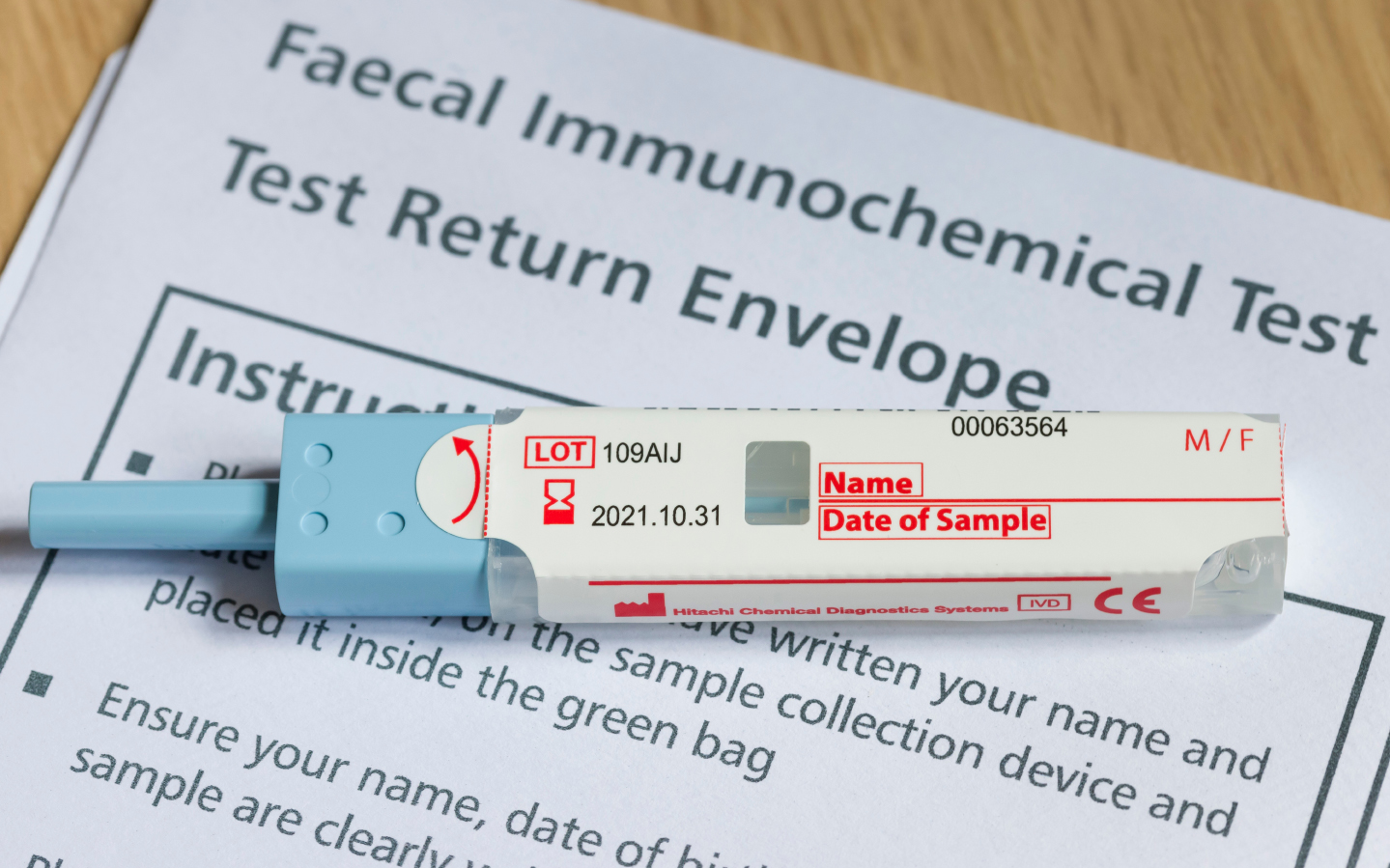

You feel well. Your bowel habits have not changed. Yet your FIT result has come back positive.
What happens next?
A positive FIT means that a small amount of blood has been detected in your stool. It does not tell
you where the blood came from or why it is there, and importantly, it does not mean you have colorectal cancer. What it does mean is
that the finding should be investigated rather than ignored.
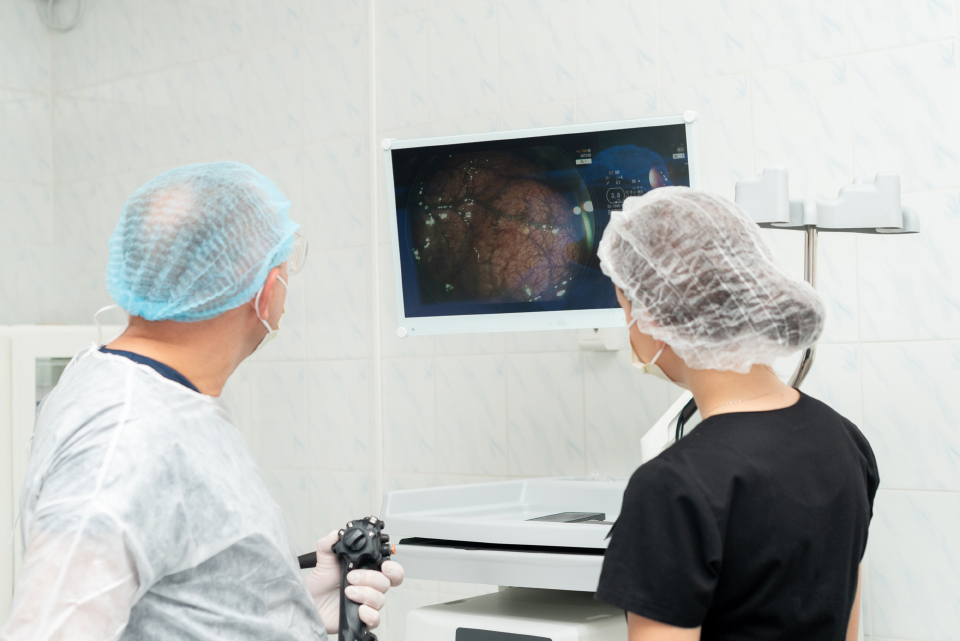
For most people in Singapore, the next step is a colonoscopy. This allows the doctor to
look directly inside the colon and rectum, identify possible sources of bleeding and determine
whether further treatment or follow-up is needed.
What Does a Positive FIT Result Mean?
An abnormal or positive FIT result means that blood has been detected in the stool at a level above
the test’s defined threshold. Although this does not confirm colorectal cancer, the result indicates
that further investigation may be needed to identify the possible cause.
A positive FIT may be associated with:
- Colorectal Polyps: Some polyps can bleed and may be detected through FIT. While many are non-cancerous, certain types can develop into colorectal cancer over time.
- Haemorrhoids: Bleeding from haemorrhoids may contribute to blood being detected in the stool, although other causes still need to be considered.
- Inflammation or Other Bowel Conditions: Conditions affecting the colon or rectum may sometimes cause bleeding that leads to a positive result.
- Colorectal Cancer: Cancer in the colon or rectum can cause bleeding, including small amounts that may not be visible in the stool.
Further investigation can help establish the cause and determine whether any additional care is needed.
Why Is a Colonoscopy Recommended After a Positive FIT Result?
Most people with a positive FIT are recommended to undergo colonoscopy for further investigation. Unlike FIT, which detects blood in a stool sample, colonoscopy allows the doctor to examine the inner lining of the colon and rectum directly and may serve several purposes during the same procedure:
Identifying the Possible Source of Bleeding
During a colonoscopy, a flexible instrument with a camera is used to examine the colon and rectum
for abnormalities that could explain the FIT result.
The examination may identify polyps, inflammation, a suspicious growth or other changes. It is also
possible for a colonoscopy to find no abnormality despite an earlier positive FIT. This direct
examination can help identify abnormalities that may explain why blood was detected, which FIT
itself cannot show.
Removing Suitable Colorectal Polyps
If suitable colorectal polyps are found, they can often be removed during the colonoscopy and sent
for laboratory examination. Removing certain precancerous polyps may help reduce the risk of
colorectal cancer developing.
Whether a polyp can be removed during the same procedure may depend on factors such as its size,
location and appearance. Some polyps or more complex growths may require further endoscopic
treatment or surgical assessment.
Taking a Biopsy for Further Examination
If the doctor identifies a suspicious area or growth that requires further assessment, a small
tissue sample may be taken during the colonoscopy and examined by a pathologist under a microscope.
This examination can help determine whether cancerous or other abnormal changes are present and
provide information that may guide further investigation or treatment.
What Can a Colonoscopy Find After a Positive FIT?
The findings from the colonoscopy and, where applicable, laboratory examination of removed tissue can help clarify the reason for a positive FIT and determine what may need to happen next. The findings may indicate:
No Concerning Abnormality Is Identified
A colonoscopy may not identify colorectal cancer, polyps or another concerning abnormality despite the earlier positive FIT. Depending on the findings and your individual circumstances, your doctor may advise whether any further assessment is needed.
Colorectal Polyps and Precancerous Changes May Be Identified
Not all colorectal polyps have the same characteristics or potential to develop into cancer. Factors such as their number, size, type and laboratory features can help determine the need and timing of further surveillance. More complex findings may require additional endoscopic treatment or surgical assessment.
Colorectal Cancer May Be Confirmed by Biopsy
If colorectal cancer is confirmed, further tests may be needed to determine the extent of the cancer and whether it has spread. This process, known as staging, helps guide treatment planning. The location of the tumour, the patient's general health and other clinical factors are also considered when determining the appropriate treatment, including whether surgery may be recommended.
Why Is Timely Follow-Up Important After a Positive FIT Result?
A positive FIT requires appropriate follow-up so that the screening result does not remain
unresolved. Delaying further assessment may extend the time before an underlying colorectal
condition is identified and, where necessary, before appropriate care can be planned. The absence of
bowel symptoms does not explain why the FIT was positive or whether further investigation is needed.
The recommended timeframe for follow-up may vary depending on your medical history and individual
circumstances. Factors such as previous colorectal investigations, existing bowel symptoms and other
relevant clinical findings may also influence the next steps. Your doctor can advise when further
assessment should be arranged based on your individual situation.
Get Clarity About Your FIT Result With Dr Ho Kok Sun
A positive FIT result can raise questions about what it means for your colorectal health. While it
does not confirm colorectal cancer, appropriate follow-up can help clarify why blood was detected
and give you a clearer understanding of what comes next.
At our colorectal cancer clinic in Singapore, assessments are tailored to each
patient’s screening results and individual needs. Our colorectal cancer surgeon, Dr Ho Kok Sun, reviews
the patient’s test results, medical history and subsequent findings before advising on the
appropriate next step. If you have received a positive FIT result or would like to discuss your
colorectal screening findings, contact our clinic to
arrange a consultation.