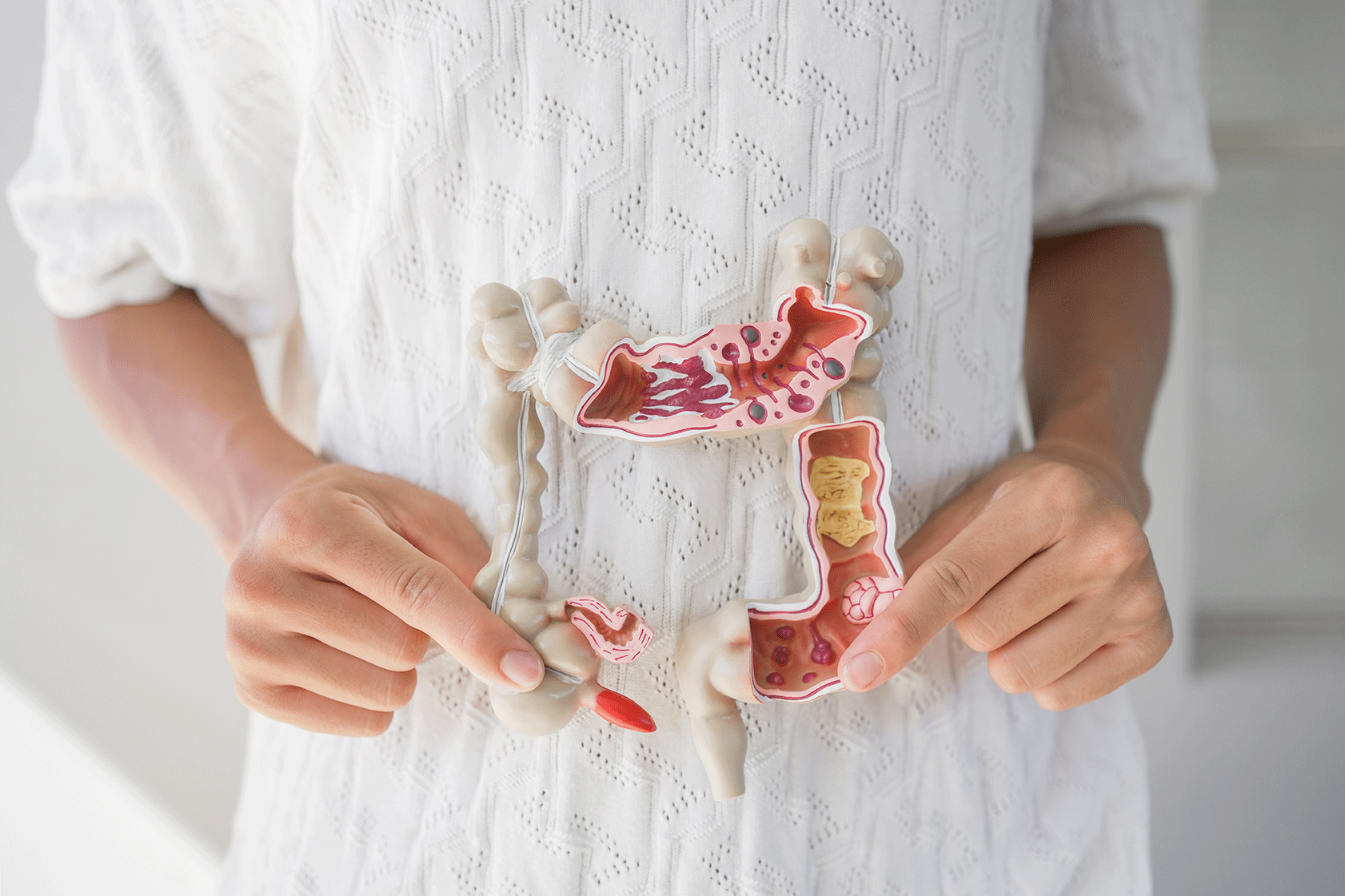

A diagnosis of colon cancer can be overwhelming, and it is natural to have concerns about what treatment involves. Unfortunately, many people base their expectations on outdated information or stories they have heard from others. These misconceptions can create unnecessary fear, delay treatment or discourage people from seeking specialist advice.
In reality, colon cancer treatment has advanced significantly over the years. Modern surgical techniques, improved medications and a more personalised approach mean that many patients experience better outcomes and recover more quickly than they expect. Understanding the facts can help you make informed decisions and approach treatment with greater confidence.
Common Myths About Colon Cancer Treatment
Many concerns about colon cancer treatment stem from misconceptions rather than current medical evidence. Below are some of the most common myths and the facts behind them.
Myth 1: Surgery Is Always the Only Treatment
Although surgery is the main treatment for colon cancer, it is not always the only treatment involved. For localised colon cancer, surgery is currently the only treatment that can offer a definitive cure by removing the tumour and nearby lymph nodes. During surgery, the affected section of the colon is removed before the healthy ends are reconnected whenever possible.
Depending on the stage and characteristics of the cancer, your specialist may also recommend chemotherapy, targeted therapy or immunotherapy. These treatments are often used alongside surgery to improve outcomes or help control advanced disease.
Myth 2: A Stoma Is Always Permanent
Many people worry that colon cancer surgery automatically means living with a permanent stoma, but this is not the case. Many patients do not need a stoma at all. When one is required, it is often temporary to allow the bowel to heal before it is reconnected. A permanent stoma is only necessary in selected cases, depending on the location of the tumour and the surgery required.
Your colorectal surgeon will explain whether a stoma is likely to be part of your treatment before surgery so you know what to expect.
Myth 3: Colon Cancer Surgery Is Extremely Risky
Every operation carries some degree of risk, but advances in surgical techniques have made colon cancer surgery safer and less invasive for many patients. Minimally invasive approaches such as laparoscopic, single port and robotic surgery use smaller incisions than traditional open surgery. Compared with open surgery, these techniques may result in less pain, smaller scars and a faster recovery where appropriate.
Your colorectal surgeon will recommend the most suitable surgical approach based on your individual condition.
Myth 4: Chemotherapy Is Always Worse Than the Cancer
Chemotherapy is often associated with severe side effects, causing some people to fear treatment more than the disease itself. While chemotherapy can cause side effects, these vary between individuals and the medications used. Advances in supportive care have also made side effects such as nausea and fatigue easier to manage than in the past.
Myth 5: Treatment Is the Same for Everyone
No two cases of colon cancer are exactly alike, which is why treatment is never based on a one-size-fits-all approach.
Your specialist considers several factors before recommending treatment, including:
- The stage of the cancer
- The size and location of the tumour
- Whether lymph nodes or other organs are affected
- Certain genetic features of the cancer
- Your overall health
This personalised approach helps ensure you receive the treatment that is most appropriate for your diagnosis.
Why Specialist Assessment Makes a Difference
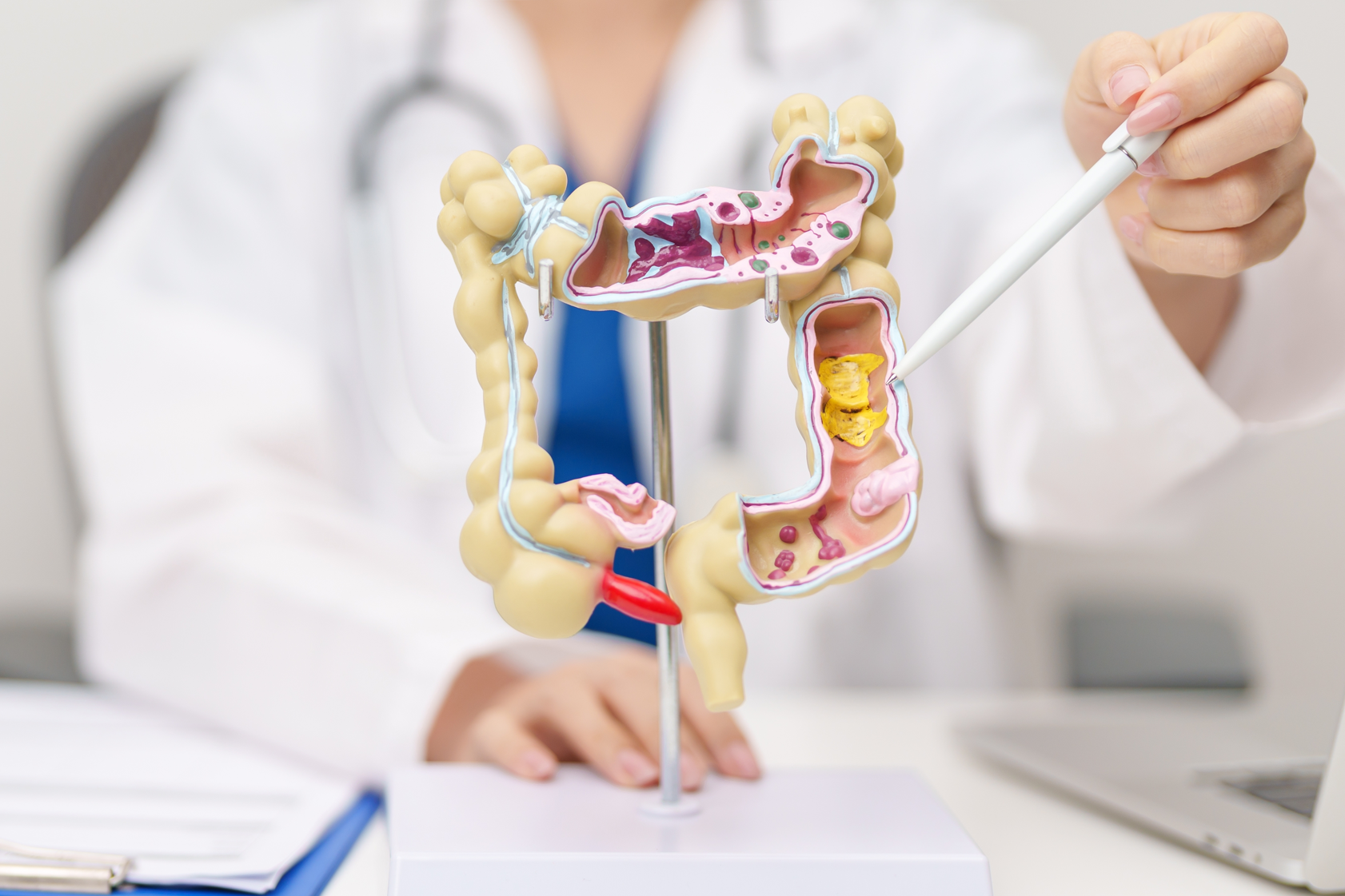
Rather than relying on assumptions or information found online, it is important to seek advice from a colorectal specialist who can assess your individual situation.
Before recommending treatment, your specialist will evaluate your overall health, explain the available treatment options and discuss what you can expect before and after treatment. This allows you to understand the benefits and potential risks of each option before making an informed decision.
Making Confident Decisions About Colon Cancer Treatment
Cancer treatment can seem daunting, particularly when misconceptions cloud your expectations. Understanding
what modern treatment actually involves allows you to approach each decision with greater confidence, knowing
that recommendations are based on your individual condition rather than outdated assumptions.
At our colorectal cancer clinic in Singapore, treatment is provided by Dr Ho Kok Sun, who offers comprehensive
assessment and personalised treatment planning for patients with colon cancer. If you have been diagnosed with
colon cancer or would like a second opinion, arrange a consultation to discuss your treatment options and
receive guidance tailored to your individual needs.